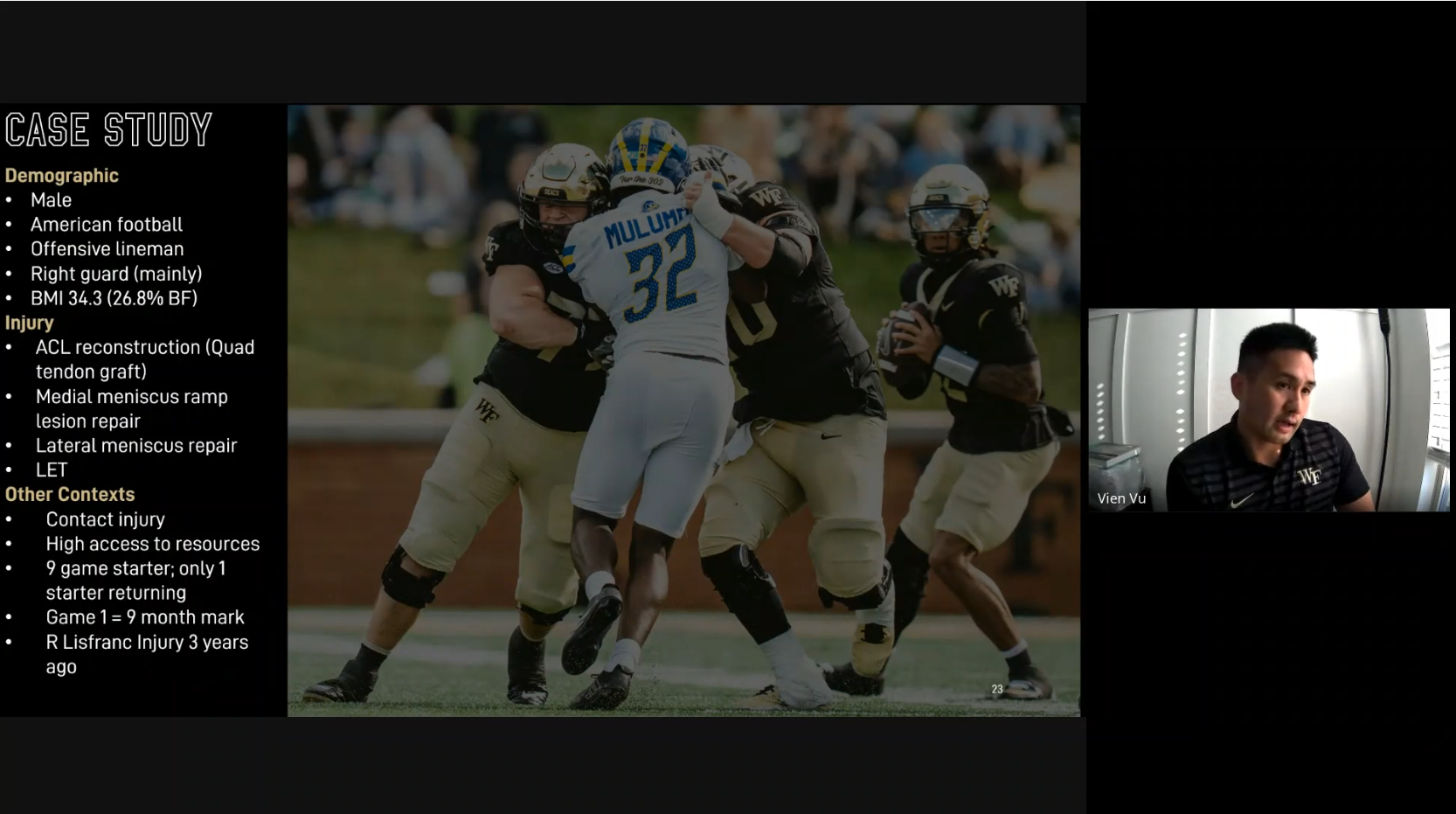
This week we hosted Vien Vu, Director of Rehabilitation for Football at Wake Forest, for a session on using data, including 3D biomechanics, to guide return-to-sport decisions. He took the room through a real ACL reconstruction case and the data behind every call along the way: an American football college offensive lineman, four and a half months post-ACL reconstruction, with strong-looking numbers on paper. Would you let him start running again?
What the session covered
The limits of the eye test, including the study where 240 clinicians rated the athletes who later tore their ACL as the cleaner movers, and how rarely experienced practitioners agree on whether a movement is good or bad.
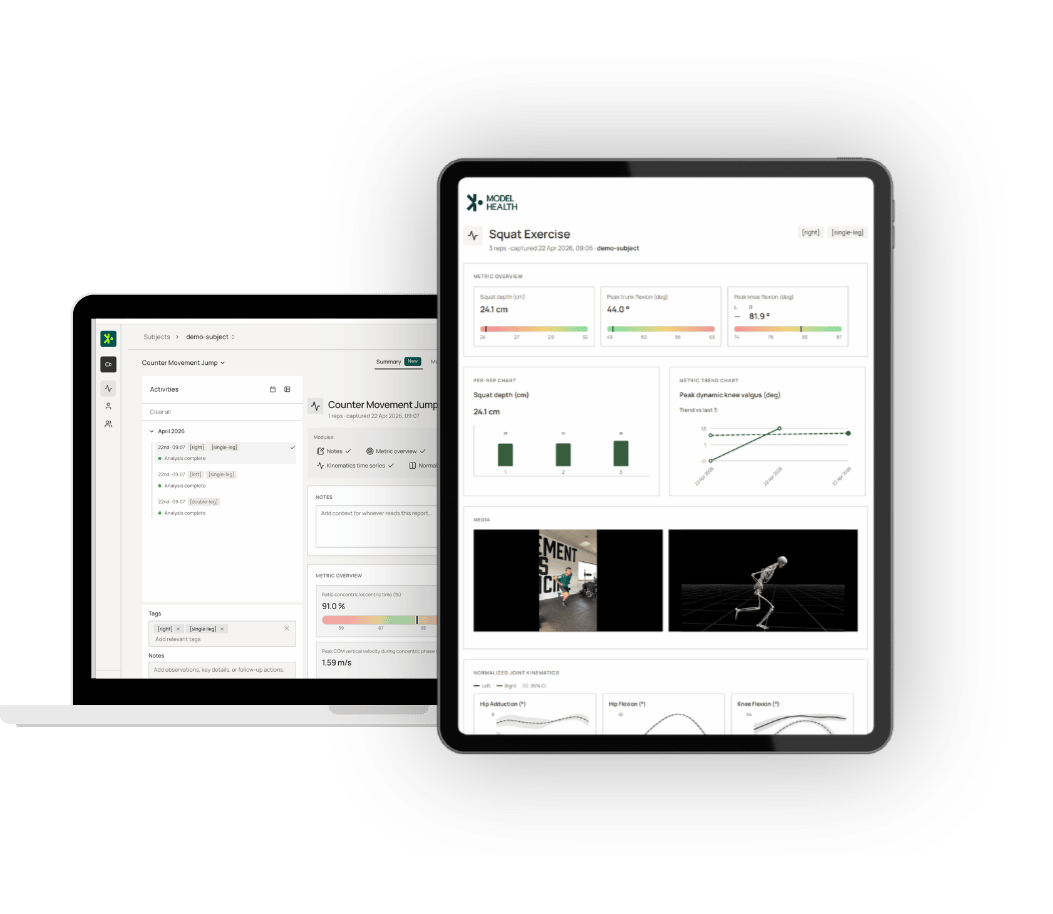
Why 2D analysis falls short: missed cycles, camera-angle distortion, and the reliability gaps in tools like treadmill analysis and the SMAS sprint score.
How to layer data for a decision: reading force plates, single-leg squat kinematics, sprint mechanics, 505 cutting, and hop tests together rather than leaning on any single number.
Reliability, validity, and error: session-to-session reliability, and knowing when a difference is real progress versus noise.
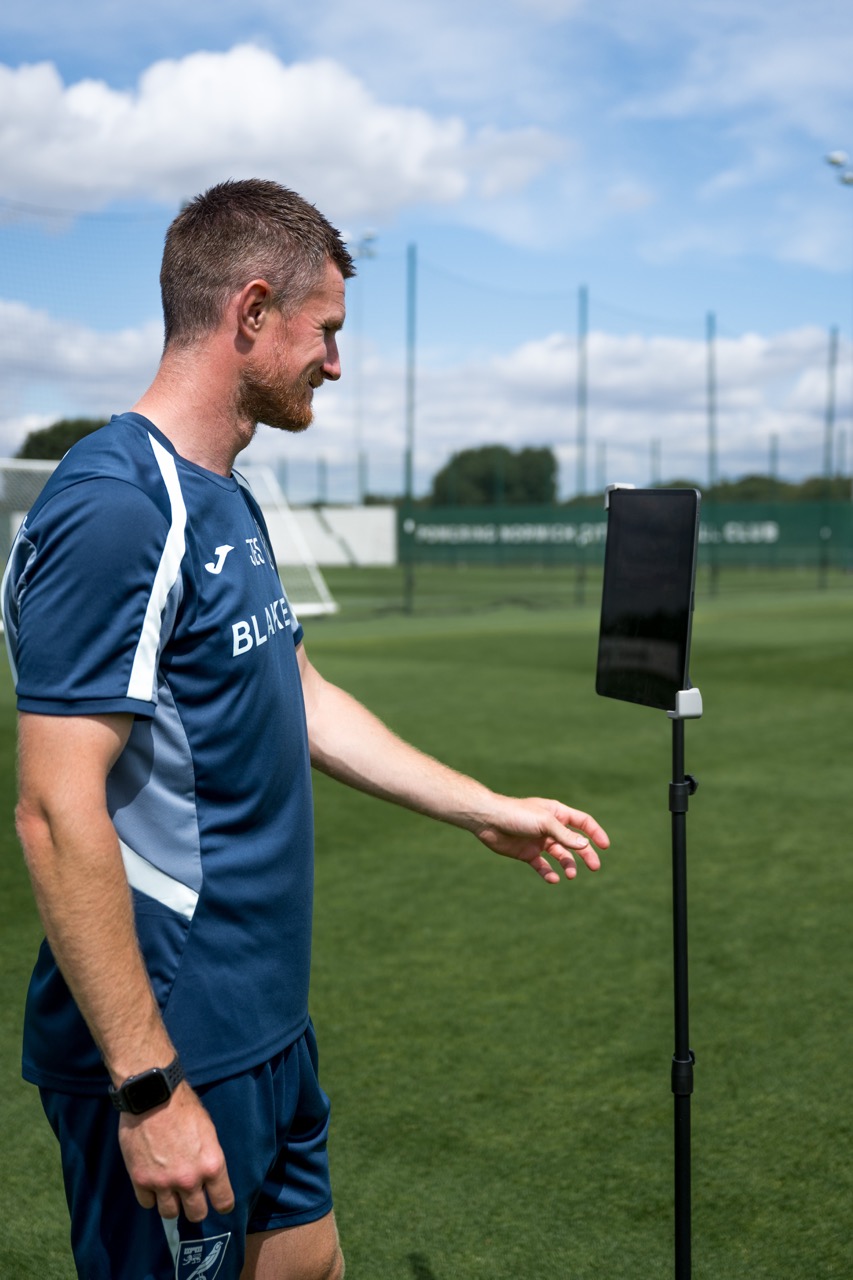
A practical look at running all of this in a busy clinic and weight room, from camera setup to which four tests Vien prioritizes.
The throughline
Vien's central argument is that data doesn't make the call for you. It sharpens how much confidence you've earned and how much risk you're choosing to carry.
The full recording walks through the complete case and the data at each step.

).png)
.png)